
Climate change is making heat waves and intense rainfall more likely
Comparing daily temperatures alone does not explain climate trends.
“We can have cold days in July, we can have hot days in December. It doesn’t matter. Weather can be highly variable,” said Stephen Strader, a severe weather geographer and professor at Villanova University.
That being said, the likelihood of heat waves has been increasing rapidly because of climate change, Dahl said.
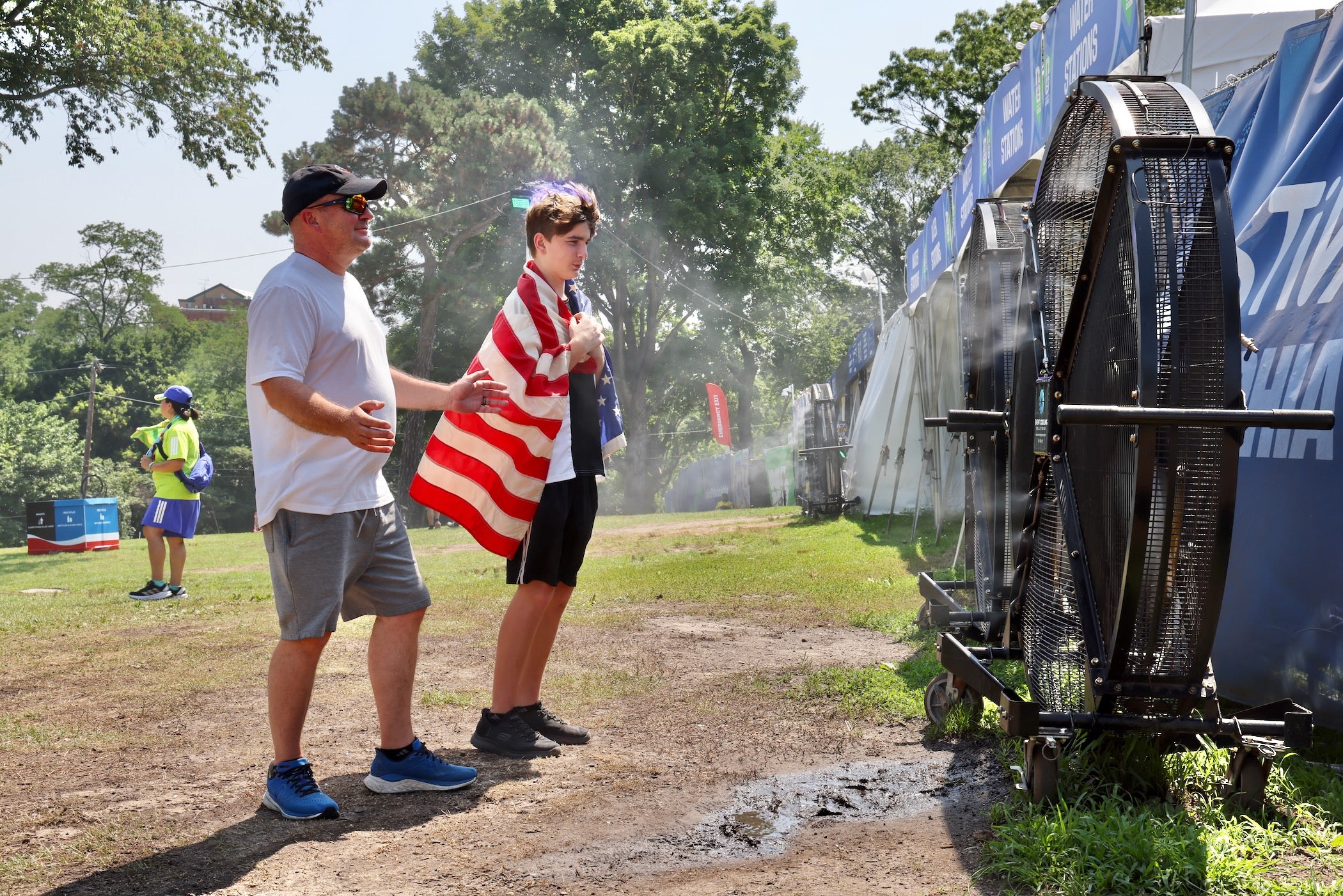
“It’s an American pastime to be outside on the Fourth of July, barbecuing, or at the beach, or outside for fireworks. And we absolutely, if we continue to warm the planet overall by burning fossil fuels, we will see an increase in the number of these extreme heat events, and they will be more severe than they’ve been in the past,” she said. “That presents really major health risks for people who are doing what we consider normal summertime activities outdoors.”
Excessive temperatures not only impact cardiovascular and respiratory health, but heat is also the top weather-related cause of death in the U.S.
Philadelphia’s 250th celebrations were also thwarted by heavy rain, wind and lightning. The storms forced people to evacuate the “One Philly: Unity Concert” on the Parkway and delayed fireworks until around 2:30 a.m.
Stader has researched weather data to determine the likelihood of tornadoes or severe thunderstorms impacting large gatherings from sporting events to festivals.
He found that Fourth of July festivities, the World Cup and the MLB All-Star Game were in the 90th percentile and greater for lightning and tornado exposure in the U.S.
“The scary thing for me, and I think we saw exactly what can happen, and it could have been a lot worse, is that our severe weather season in terms of tornado potential and just thunderstorms, which come with lightning, the peak of our severe season lined up with these events,” Strader said.
He said that understanding the likelihood of extreme weather events can help organizers have a sheltering and early-warning plan.
“Meteorologists are now being hired at NASCAR events and baseball stadiums because they want to make sure that they’re monitoring the weather in real time,” Strader said, adding that event attendants should also prepare themselves for extreme weather.
“It might be time to start thinking about some of these events, having a backup plan indoors for when these problems start arising.”