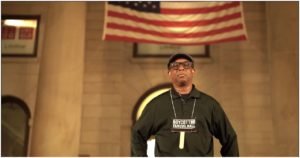


Beliath begins with the familiar rhythm of local television reporting before slowly turning the camera into something more dangerous. A small-town news crew investigates a brutal murder in the South Downs, only to uncover local folklore, unexplained deaths, and a cult that has remained hidden for good reason.
Director Cristian Parras gives the found footage format a believable purpose. These are not teenagers filming themselves because the movie needs an excuse to keep recording. They are journalists doing their jobs, convinced that the camera offers authority, evidence, and distance from the horror surrounding them.
When Grief Becomes Content
That professional detachment becomes the film’s strongest idea. Murder is material. Grief becomes an interview. Fear can be edited later.
Beliath gradually strips away that safety until the crew is no longer documenting the story. They have become part of it.
The rural setting does much of the work. Empty roads, isolated buildings, and dark stretches of countryside create the sense that the crew has crossed into a place governed by older rules.
The movie benefits from what it cannot show, using distant sounds and movement outside the frame to suggest something larger than its microbudget could realistically provide.
Strong Performances, Familiar Mistakes
Caitlin Cameron gives the film a grounded center as reporter Rachel Morley. Her performance works best when Rachel is still trying to maintain control, asking questions and managing the crew while her professional confidence quietly collapses.
The supporting characters establish a believable workplace dynamic, although several remain closer to recognizable television roles than fully developed people.
Beliath is less effective when it begins explaining its mythology. The idea of an ancient belief system hidden beneath an ordinary community is more unsettling than the names, histories, and warnings eventually attached to it.
The cult feels dangerous when it seems woven into the landscape. It becomes more familiar whenever the screenplay tries to organize the mystery.
The middle section also grows repetitive. The crew discovers a clue, receives a warning, and continues anyway.
Found footage characters are rarely celebrated for their survival instincts, but the pattern makes curiosity begin to resemble contractual obligation.
The Moment Everyone Should Have Stopped Looking
Still, Beliath understands the appeal of small-scale folk horror. It is not built around elaborate creatures or constant violence. It is about people who believe recording something gives them power over it.
The film’s best moments arrive when that belief fails and the camera stops feeling like evidence.
Beliath should appeal to viewers who enjoy regional folklore, microbudget horror, and found footage that favors atmosphere over spectacle. Its mythology could use more restraint and its characters more depth, but Parras understands the format’s central cruelty.
A camera can preserve the truth. It can also preserve the exact moment everyone should have stopped looking.
Rating: 3 out of 5