

From Philly and the Pa. suburbs to South Jersey and Delaware, what would you like WHYY News to cover? Let us know!
An intestinal bug that can send people dashing to the loo with “explosive” diarrhea has public health experts on alert.
The Centers for Disease Control and Prevention recorded 145 reported cases of cyclosporiasis between May 1 and June 16, including a cluster in Pennsylvania and New Jersey. State health officials in Michigan have reported that more than 1,200 people have been diagnosed with the disease as of July 9, and another 177 cases have been diagnosed by health officials in Ohio as of July 2.
According to the Pennsylvania Department of Health, the state has recorded 28 cases of cyclosporiasis in 2026, with 14 occurring in southeast Pennsylvania. In 2025, the state recorded 40 cases. In 2024, there were 87 cases.
So far, no one has died this year from the stomach infection, which is typically not considered to be life-threatening. Here’s what to know:
What is cyclosporiasis?
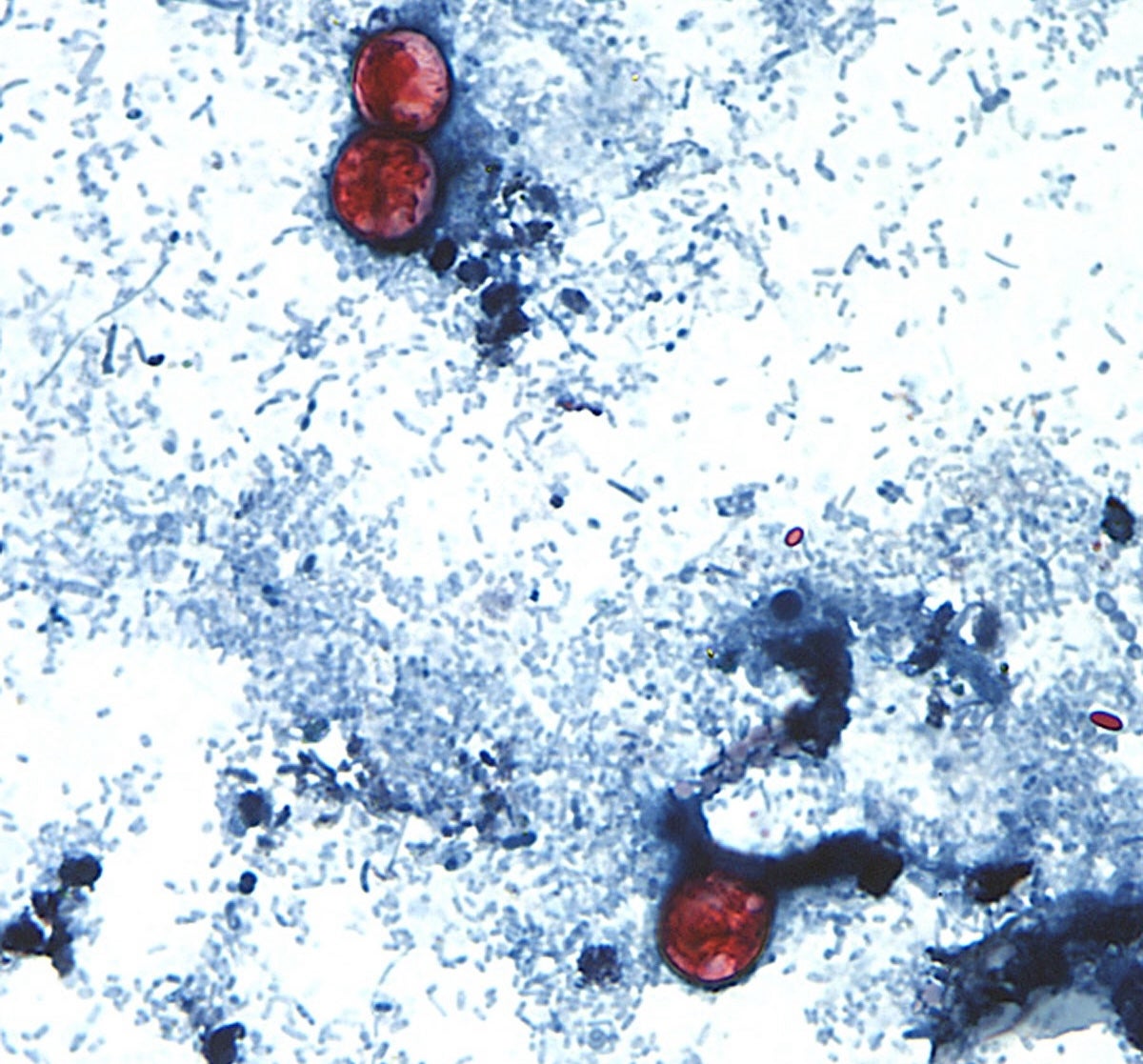
Cyclosporiasis is an intestinal illness caused by cyclospora cayetanensis, a microscopic parasite. Cyclospora is so small that it can only be seen under a microscope.
The parasite is endemic in tropical and subtropical regions of the world; however, people elsewhere can contract it if they consume contaminated food or water. Foodborne outbreaks in the U.S. are usually linked to imported produce such as basil, cilantro, raspberries and snow peas.
“While cyclosporiasis cases can occur year-round, they typically rise during the spring and summer months,” a spokesperson for the Pennsylvania Department of Health wrote Thursday in an email.
According to the CDC, the time between infection and symptom onset is approximately one week.
What are the symptoms of cyclosporiasis?
The main indication of the infection is watery and sometimes explosive diarrhea. Other signs include bloating, cramps, fatigue, increased gas and a loss of appetite.
Less common symptoms include body aches, a low-grade fever and vomiting.
If left untreated, these symptoms can last anywhere between a few days to a month or longer. According to the U.S. Food and Drug Administration, some people show no symptoms.