
High-injury corridors under focus
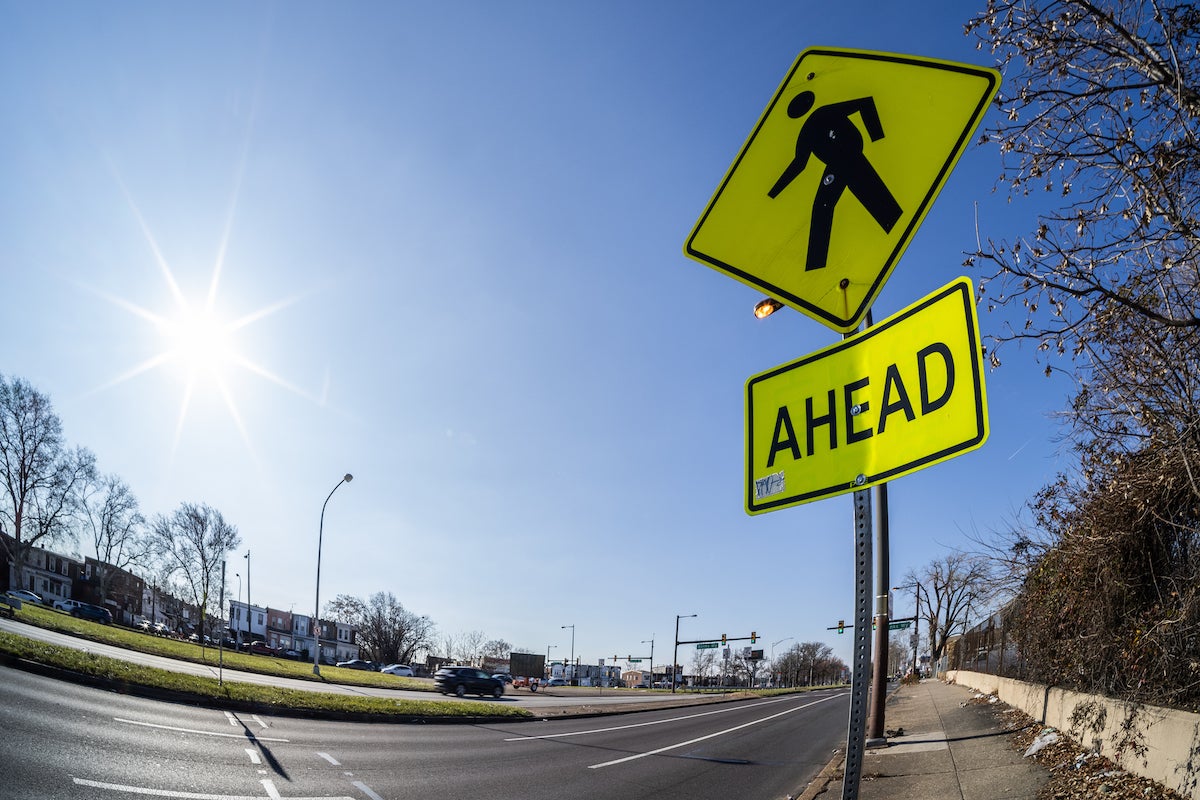
The city has concentrated much of its safety work on what it calls the “high-injury network”—the small portion of streets where severe crashes are most concentrated.
Under the 2024 executive order, the city identified roughly 12% of Philadelphia’s streets that account for about 80% of fatal and serious-injury crashes.
Those corridors, which span nearly 300 miles of roadway, are now the primary focus of redesign and enforcement efforts to complete safety upgrades across the network by 2030.
Among them is Broad Street, which officials describe as one of the city’s most dangerous corridors. Gorini said North Broad Street has seen as many as one traffic fatality per month in recent years.
In addition to Broad Street, Roosevelt Boulevard has also been a key focus of automated enforcement. The city reported a 95% reduction in speeding violations along Roosevelt Boulevard after the installation of speed cameras, along with more than a 20% reduction in serious-injury and fatal crashes and a 50% reduction in pedestrian crashes.
Based on those results, officials expanded speed cameras to Broad Street.
Redesigning streets under ‘Complete Streets’ model
Much of Philadelphia’s strategy falls under its “Complete Streets” framework, which combines engineering changes aimed at reducing conflict between road users.
On Market Street in Old City, between 2nd and 6th streets, the city recently completed upgrades that include a sidewalk-level bike lane, a narrower roadway and raised intersections designed to slow traffic and increase visibility.
Gorini said the approach prioritizes separating vulnerable road users and reducing vehicle speeds.
Other tools include improved traffic signals, high-visibility markings, and redesigned intersections.
Speed cushions, roundabouts and neighborhood traffic calming
In residential areas, the city uses speed cushions, neighborhood slow zones and school-based traffic calming projects to reduce speeding.
Speed cushions are typically installed through the Streets Department’s residential traffic calming program or near schools as part of a citywide effort.
While those measures are most common on smaller streets, officials say they remain part of a broader toolkit.
Roundabouts and protected bike lanes are also part of the city’s longer-term safety strategy, particularly where they can eliminate high-risk crash types such as head-on and T-bone collisions.
How the city is measuring progress
The city is using its PhillyStat 360 dashboard to track Vision Zero-related metrics, including infrastructure installations, bike network expansion and traffic safety education programs in schools.
Gorini said officials also look for broader behavioral changes.
“What I hope people see over the next few years is kind of a really fundamental shift in our overall culture of safety,” he said. “We really want to be promoting a culture of safety.”
The program also includes public education campaigns, school programs and community engagement efforts aimed at reinforcing safer driving, walking and biking habits.
Residents can track initiatives and get involved through the program’s website, visionzerophl.com.