
The best J-horror was never really about a ghost standing in a corner. It was about transmission. A videotape, a phone call, a website, a house, one bad decision made by a lonely person, and suddenly the thing that took the last victim is turned toward you. The scares are great, but the actual engine underneath the genre is contagion. The curse spreads. That is the whole terror.
It also happens to be the reason this stuff has aged better than almost anything else from its era. These films understood virality before we had the word for it, back when the scariest technology in your house was a machine that copied tapes. If you are new to any of this, skip the American remakes for now and start with the originals. I recommend starting here.
Ringu (1998)
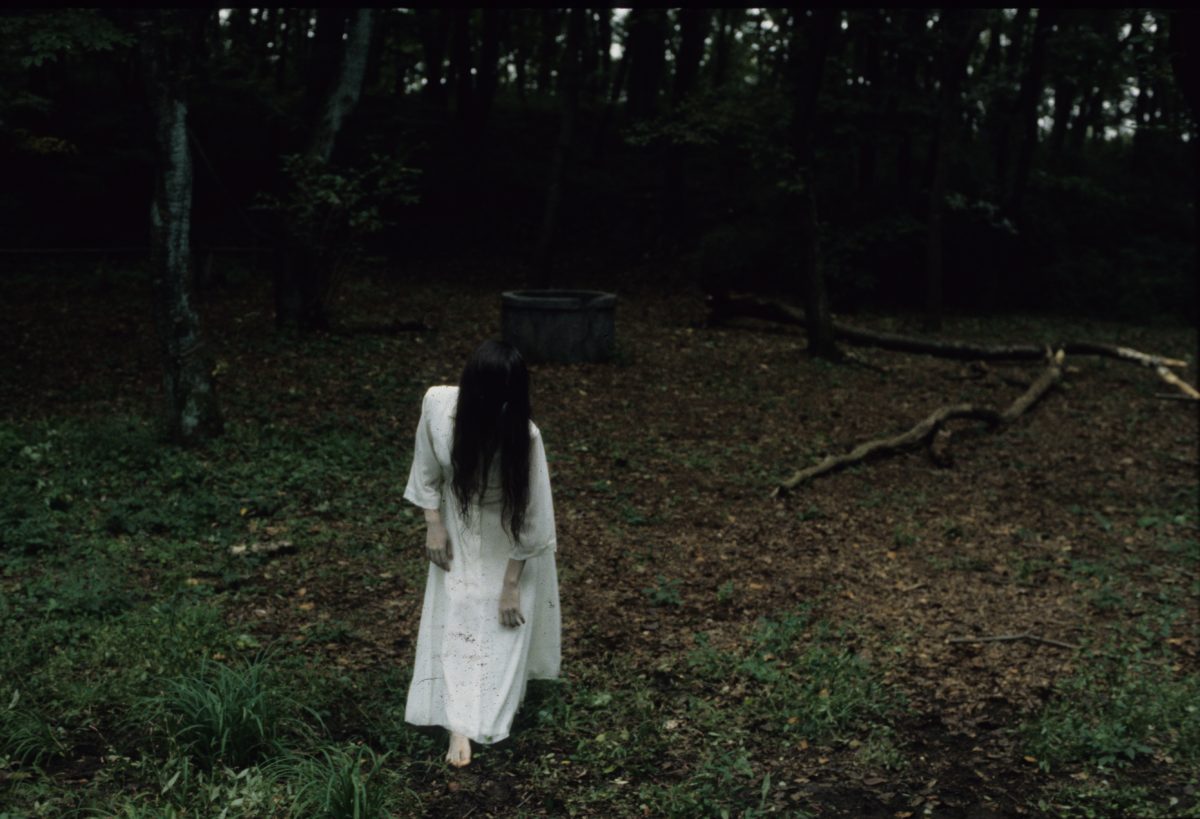
Ringu is the one everyone thinks they know because they saw the remake, and the remake is fine, and it is also not this. Hideo Nakata took the onryo, the vengeful spirit that runs all the way back through Japanese folklore, and gave her a delivery system: a cursed tape that kills you seven days after you watch it, unless you copy it and pass it on. Salvation is just making someone else the target. That is a nasty little moral engine for a horror movie to run on, and it still hums.
Sadako climbing out of the well and through the screen is iconic for a reason, but the part that sticks with me is quieter. The film figured out that the truly frightening idea was not the ghost. It was that surviving meant handing the death to a friend. Start here. The tape still works.
Kairo (2001)
Released in America as Pulse, Kairo is Kiyoshi Kurosawa watching the early internet arrive and correctly deciding it was a door that should never have been opened. The dead start bleeding into the living world through dial up connections and grainy webcams, and the vector is not a curse so much as loneliness itself. People simply fade, sometimes into a stain on a wall.
This is the slowest film on the list and the one that gets under my skin the deepest. Kurosawa builds dread out of empty rooms and gray daylight and the sense that everyone has quietly given up. It predicted the specific despair of being extremely connected and completely alone, which was a strange thing to nail in 2001.
One Missed Call (2003)
Takashi Miike made a mainstream ghost movie and it is meaner than it needs to be, which is the highest compliment I can give a Miike film. In One Missed Call your own phone rings with a voicemail from the future. It is you, dying, at a time and date you have not reached yet. Then you get to wait for it.
The premise sounds like a punchline and the execution absolutely is not. Do not confuse it with the American version, which took everything unpleasant about this and sanded it into nothing.
Noroi: The Curse (2005)
Noroi is a fake documentary, not found footage in the strict sense, and the distinction matters here because Koji Shiraishi builds the whole thing like an actual investigation that keeps metastasizing. A paranormal researcher chases one small strange story and it opens into another and then another until the connections stop feeling like coincidence.
It is patient in a way most horror is too nervous to be. By the time you understand the shape of what you are looking at, you are already inside it. Do not look up the ending. Just let it close over you.
Cure (1997)
Cure is the outlier and possibly the best film here. No ghost. No tape. Just a man who wanders through the city asking people a simple question, who are you, until something in them comes loose and they do something monstrous and cannot explain why. The contagion is suggestion. The curse is a conversation.
Kurosawa was doing this in 1997. He knew exactly what he was doing.
Ju-On: The Grudge (2002)
Takashi Shimizu took the same contagion idea and gave it an address. In Ju-On the curse is anchored to a house, and anyone who steps inside carries it back out with them like a cold. The structure is fractured on purpose, jumping between people and time until the rot feels total.
Kayako’s death rattle is the sound the whole franchise is remembered for, and fair enough. It earns it.
Audition (1999)
I am not going to tell you what happens in Audition. That is the deal with this one. A widower stages a fake casting call to quietly find a new wife, which is already a rotten thing to do, and Miike lets it play like a gentle drama for a good long while.
Then it stops being that. Go in knowing nothing. Do not read about it, do not let a friend warn you, just watch it.
The Verdict
Start with Ringu if none of these names mean anything to you yet, because it is the cleanest introduction to what this genre does and why it lasted. Start with Cure if you have already seen the rest and want the one that keeps working on you long after the screen goes dark. And when you finish these seven, keep going. Nakata’s Dark Water and the spiraling madness of Uzumaki are right there waiting, and the curse, as always, spreads.